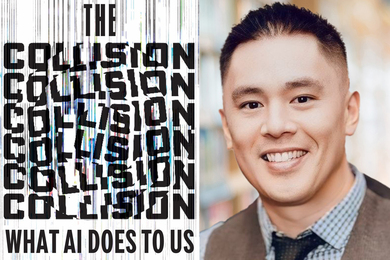
Q&A: The “collision” between AI, your brain, and society
In a new book, Professor Eric So explores how the technology affects our thinking skills.
In a new book, Professor Eric So explores how the technology affects our thinking skills.

A new machine-learning approach broke records for weather forecasting for an important time frame in emergency planning.

Machine-learning networks can learn without detailed instructions from a designer. Those that do may offer insight into how the brain reorganizes itself during learning.
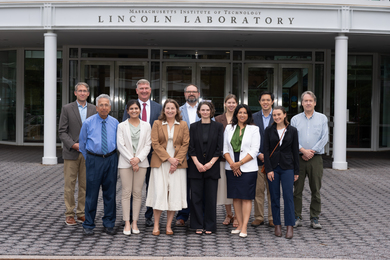
Roadshow event highlights Massachusetts' defense-biotechnology ecosystem.
Professor Deb Roy contends there should be someone who is “answerable” for every piece of text in public life, no matter its origins.
MIT Statistics and Data Science Center Director Alexander (Sasha) Rakhlin shares important considerations for departments and institutions.
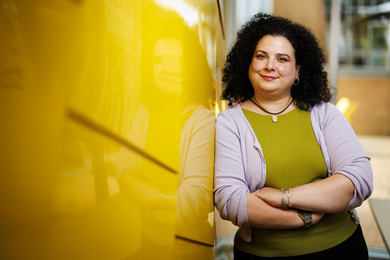
By rethinking how large cloud computing systems operate, Associate Professor Christina Delimitrou seeks to make data centers more energy efficient.
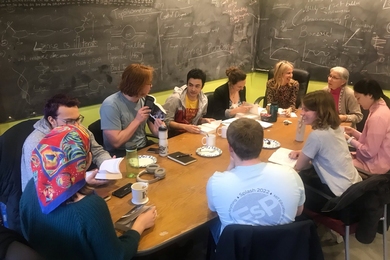
Students in MIT’s Concourse program delve deeply into the human condition, debate challenging questions, and learn to develop judgment about issues that can’t be quantified.
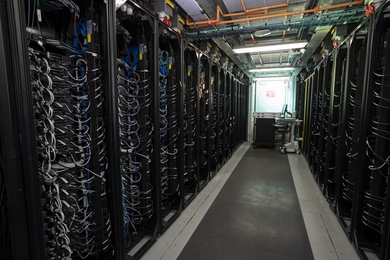
An ongoing survey tracks the latest AI accelerator systems to keep hardware relevant for Lincoln Laboratory staff and sponsors.

As director, Bourg has focused on digital access, open and equitable scholarly publishing, and expanded support for data-intensive research.
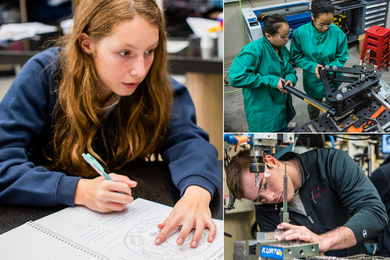
The effort aims to help U.S. learners from kindergarten to community college, with an emphasis on math, making, and the constructive use of AI.

Associate Professor Cathy Wu uses reinforcement learning to help map out improvements to transportation and other multifaceted systems.
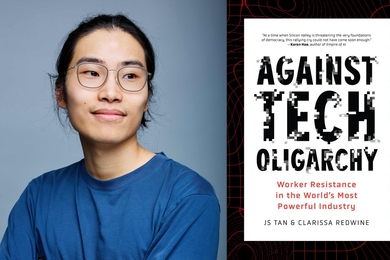
Writing as a participant and researcher, PhD student JS Tan SM ’22 has co-authored a new book about the rise of tech worker protests and the employer backlash that followed.
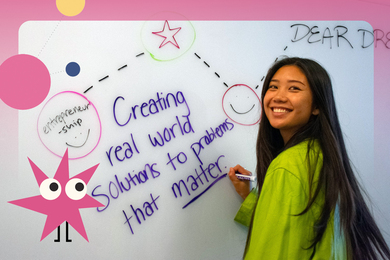
Martin Trust Center Managing Director Bill Aulet introduces Dear Dreamer, a free platform for middle and high school students who want to learn about entrepreneurship.
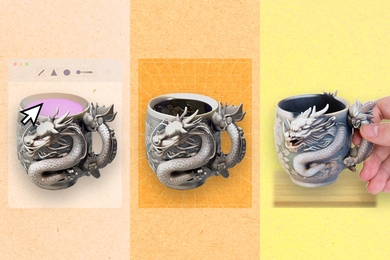
“InstructMesh” can generate designs for everyday objects that are easy to edit and fabricate for both experts and newcomers to 3D modeling.